Members vote with little to go on
Candidates get a short bio and motions arrive as an attachment. There is no shared place to ask questions, raise concerns, or suggest an amendment before the ballot opens.
Hold the votes that count, with every member able to take part from wherever they are. Discuss openly first, vote by secret ballot, and keep every result with the reasoning behind it, for one annual price.
It starts weeks before anyone votes, with the motion or the candidates. Its record matters for years afterwards.
Candidates get a short bio and motions arrive as an attachment. There is no shared place to ask questions, raise concerns, or suggest an amendment before the ballot opens.
Members live far apart, work shifts, or cannot travel to the annual general meeting. When the vote happens only at the meeting, a small share of your members decides for everyone.
The result goes out by email and the debate stays in a call recording. Next year, nobody can find why the decision was made.
For us, this really is a legally binding vote. It goes into the trade registry. We needed assurance that this was a proper way of voting, tracking votes and tracking engagement.Matthias Zeitler, Semkovo Co-op
Loomio holds the whole vote in one place, so members arrive at the ballot informed and the outcome stays easy to find.
Share the motion or candidate statements in a discussion. Members ask questions, raise concerns, and propose amendments under their own names, across time zones.
Anonymous voting separates who voted from how they voted. Results stay hidden from everyone, administrators included, until the vote closes.
Close with a stated outcome. The motion, the discussion, and the result stay together, searchable when the question comes up again.
Choose the method your constitution or bylaws describe, with anonymous ballots or recorded positions.
Agree, disagree, or abstain, with a participation quorum and the share of support your rules require to pass. See how boards decide between meetings.
STV elections fill several seats in proportion to members' preferences, counted with Scottish or Meek STV and a Droop or Hare quota.
Ask members to rank the candidates, or choose one or several from a list.
In a network or federation, make one delegate per member organization the voter, so a large member cannot outvote a small one.
In an identified vote, give each member a vote weight when your rules count shares, units, or membership classes differently. Weighted voting is not available for anonymous ballots.
Schedule when voting opens and closes, for example to finish before your annual general meeting.
People vote when they believe their ballot is private and the count is fair.
Loomio stores the record of who took part separately from the votes. A submitted vote carries no name, account, reason, attachment, or precise time, and nobody can change it afterwards, including administrators. Read the technical details.
Results stay hidden from members, coordinators, and administrators until the vote closes, so nobody follows the early leader.
You choose who votes: the whole group, a committee, or named people. Each person has one vote. After an anonymous vote closes, the record shows who was eligible, never how anyone voted.
STV results show each round of transfers and eliminations. Ties are shown, not drawn at random, and ballots export in BLT format for an independent recount without voter identities. Loomio is open source, so the code that counts your votes is public.
Your constitution or bylaws decide that, not the software. Groups make it count in two ways.
One of Argot Collective’s first official acts was to put Loomio decisions into its Articles of Association, so they are legally binding. Semkovo Co-op built online voting into its statutes from the start.
If your rules do not yet recognise an online vote, vote in Loomio, then confirm the same motion at your meeting. Semkovo’s general assembly confirms its online votes, and the result goes into the trade registry.
A Loomio plan covers your whole organization for the year. Another motion, a by-election, or a second round costs nothing extra.
Groups that answer to their members use Loomio for the votes their constitution requires.
A property cooperative registering legally binding decisions, an open-source foundation electing advisory committees, and a political organization voting at scale.
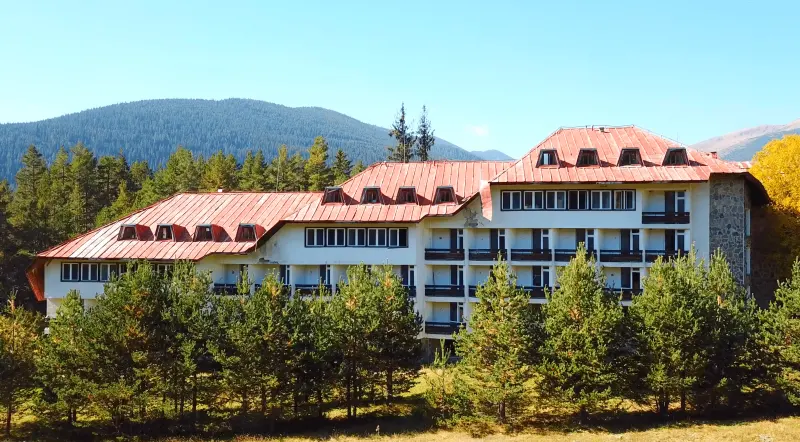
130 people from 32 countries bought apartments together. Now they have to run a business, a community, and a building — democratically.

When the whole internet depends on your library, you can't make decisions behind closed doors anymore.
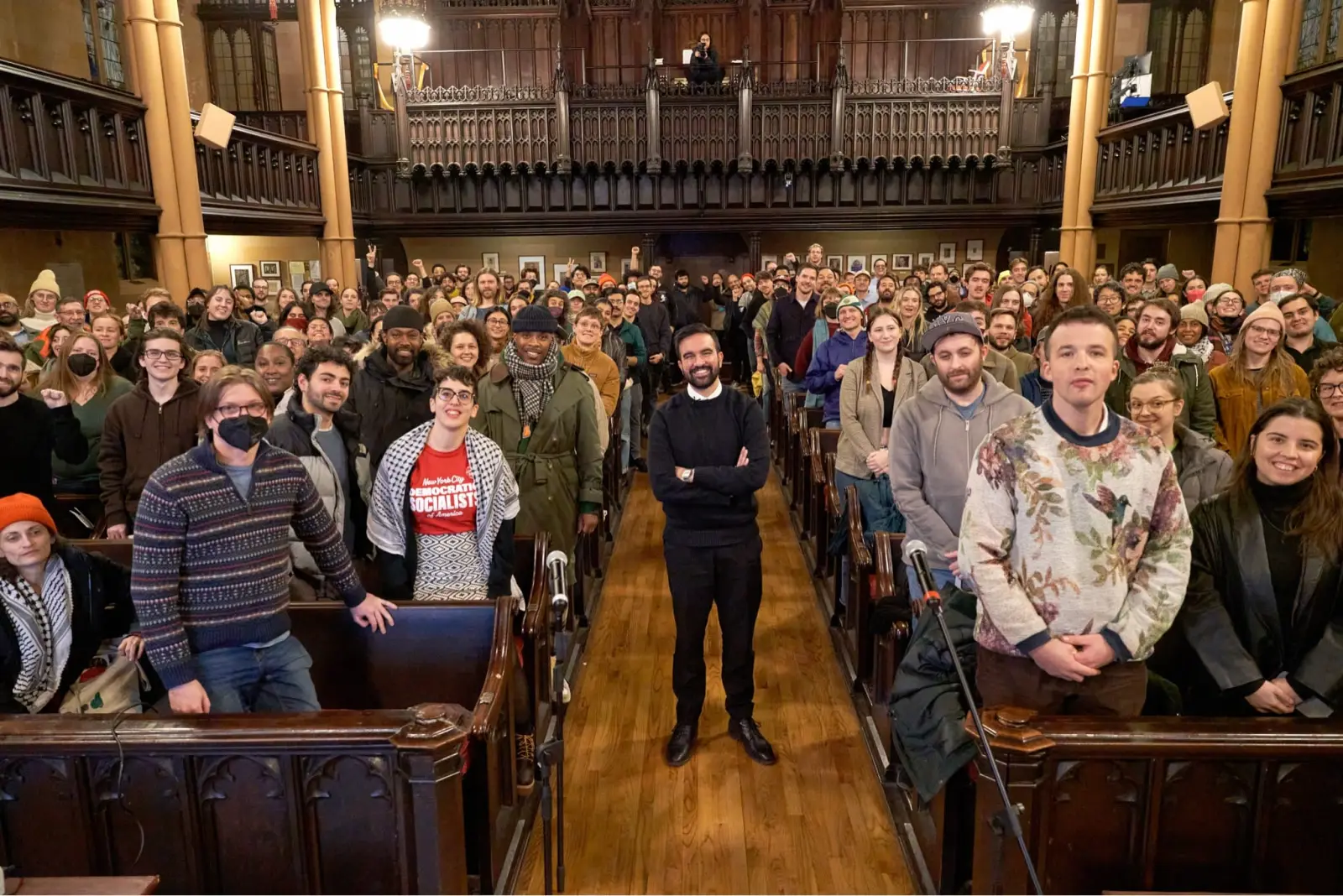
Behind Zohran Mamdani's historic mayoral primary win was a decision-making system that coordinated 13,000 members with zero paid staff.
Not in an anonymous vote. Loomio records who took part separately from the votes, and results stay hidden from everyone until the vote closes. How anonymous voting works, and when to use it.
Turn on anonymous voting before the vote starts. Each eligible person can vote once, a submitted vote cannot be changed or withdrawn, and an anonymous vote cannot be reopened after it closes. Check the protections and their limits against your rules.
You choose the voters for each vote. Members of your group can vote, and, if your group allows guests, you can invite people by email to take part in that vote only. Check the list before an anonymous vote opens: after that, nobody can be removed.
Choose Scottish STV, the method used in Scottish local elections, or Meek STV, and a Droop or Hare quota. Results show who was elected, each round of the count, and any ties. How STV elections work, or read the STV guide.
Keep voting open for several days, so members who cannot attend can still vote. Set a quorum, remind people who have not voted, and schedule the vote to close before your meeting. Anonymous votes lasting a day or more send everyone who hasn't voted an automatic reminder in the final 24 hours.
No. Loomio runs the vote and keeps the record. It does not certify results, collect signatures, or offer proxy voting. If your rules require any of these, keep that step alongside the Loomio vote.
Run a practice vote with your committee on the free trial: 14 days, with up to 10 people. You will see what members see, and can check settings such as anonymous voting, which cannot be changed once voting opens. To hold a vote with all your members, choose a plan, or talk to us if you need more time.
We're working on cryptography and must be trusted. To be trusted, the only way, or one of the main ways, is to be open.Anton Arapov, OpenSSL