Seven volunteers with full-time jobs run Pōneke Watersports, a 106-paddler dragon boat club on Wellington’s harbour. Until this season, running the club meant logging off work at five o’clock to a hundred Messenger messages—and then spending two hours in a monthly committee meeting rehashing the same threads while everyone just wanted to log off and go to bed.
Setting the club’s season fees alone used to drag across two or three monthly meetings. This season, the committee put the options into Loomio instead.
Within 3 days we had a unanimous vote and we could set the fees straight away. So we didn't waste 3 hours discussing it.
Seven volunteers, big ambitions, no spare hours
Pōneke Watersports has been paddling in Wellington for over a decade. Its 106 members span two very different worlds: social festival crews out for a summer sport on the water, and performance crews training for the New Zealand Nationals and representative trials.
Behind the scenes, a seven-person committee—president, secretary, treasurer, health and safety, and general committee members—keeps everything moving outside their day jobs. In the last couple of years, the club shifted its focus from simply growing numbers to building a proper performance pathway while still looking after its social paddlers.
That meant bigger decisions: setting seasonal fees and subsidies, writing a health and safety plan, ordering merchandise, and exploring whether to buy the club’s own dragon boat.
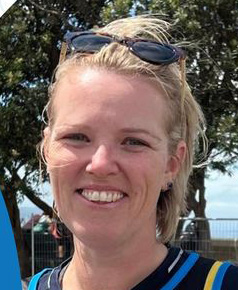
Club president Jo Bowley has paddled for 16 years. As president, her job is to keep the club’s strategy and goals moving—not to spend every volunteer hour chasing threads.
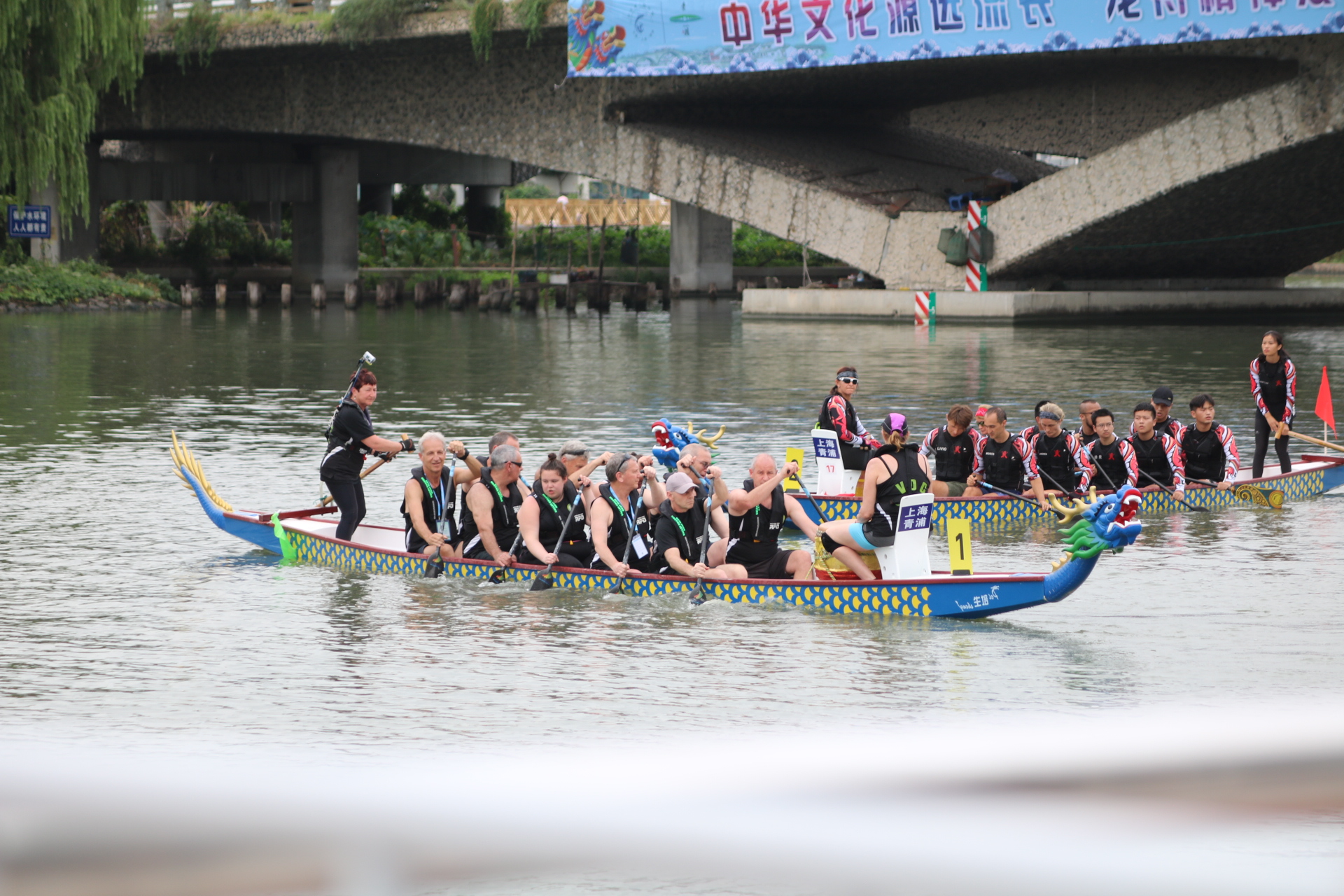
A club crew racing at an overseas regatta, in the years when the club paddled as Valley Dragonboat Club. Photo: Pōneke Watersports.
Why every decision was being argued twice
Before Loomio, the committee lived in a Messenger group chat. Someone would float an idea during the workday and replies would snowball behind the scenes.
You'd log off work at 5 o'clock and you'd have 100 messages to read through. And what are we even talking about anymore?
Because nothing was ever clearly settled in chat, the exact same topics landed on the monthly meeting agenda and got debated all over again. Meetings stretched to an hour and a half or two hours, pulled off on tangents as everyone tried to have their say, and often ended without a decision.
The committee was burning its one evening a month together on routine operations while club strategy sat untouched.
The shift: one question, one small poll
At the first meeting of the new season, Jo asked the committee what was working and what needed to change. The answer was clear: they wanted monthly meetings to be about club strategy, not ticking off day-to-day tasks.
Michael, the one new committee member, asked if anyone had heard of Loomio. Nobody had. He set up a free trial, and they tested it on the lowest-stakes decision they had: picking a day and time for their monthly meetings.
Once everyone saw how easy it was, Jo put up a real question—whether to explore buying the club’s own dragon boat, purchasing club paddles, and adding a second training location—attaching the background details and opening a poll right beside them.
Three days instead of three meetings
Seasonal fees are one of the trickiest calls a volunteer club makes: balancing what paddlers can pay against what the club can afford to subsidise. In previous years, options bounced back and forth across two or three monthly meetings.
This season, every option went down on paper in a single Loomio poll. Committee members read them in their own time, asked questions in the thread where everyone could see the answers, and added feedback with their votes. Three days later, they had a unanimous decision and could publish the fees straight away.
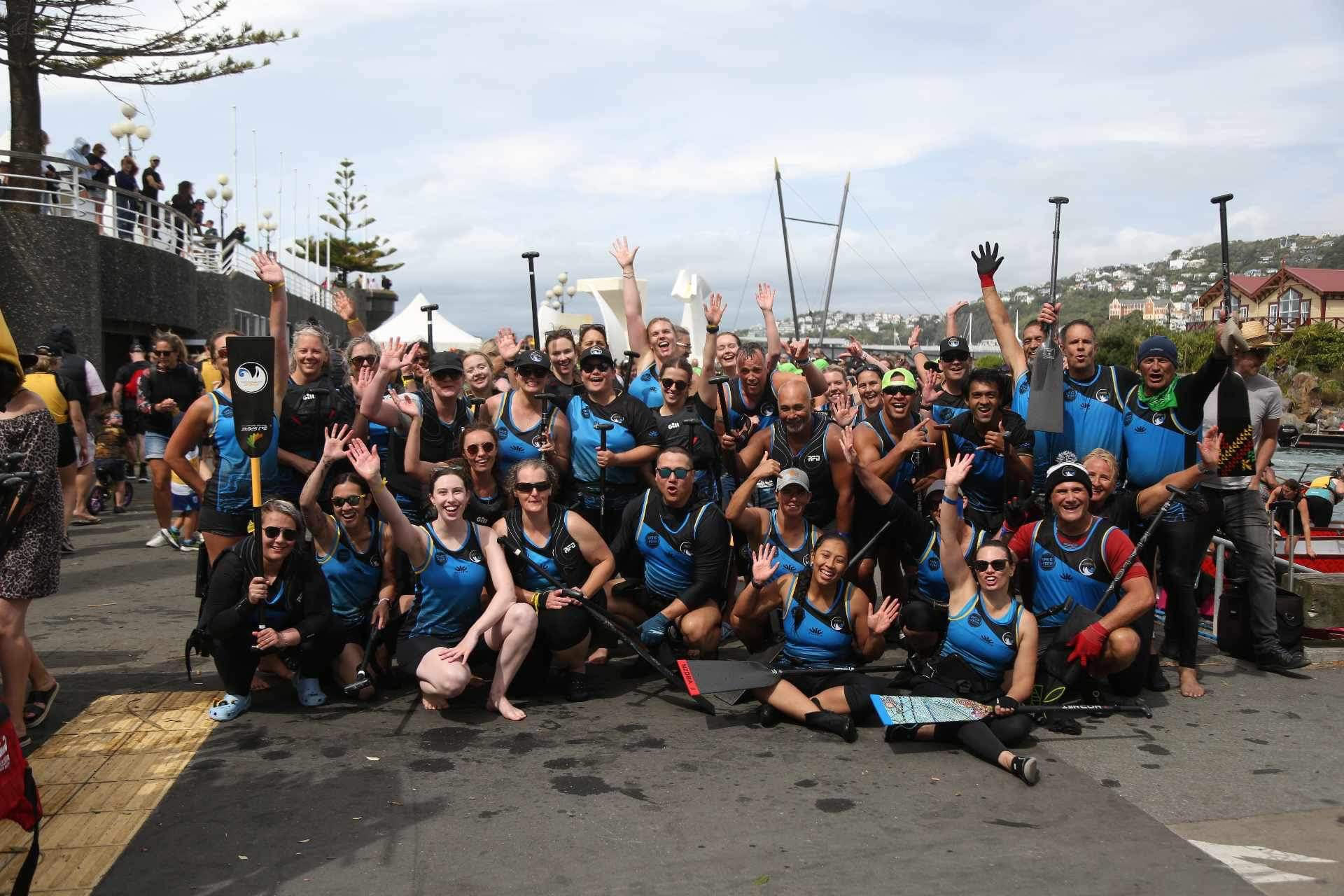
Pōneke Watersports members on the Wellington waterfront. Photo: Pōneke Watersports.
A “no” that tells you what to fix
Complex policies rarely pass on the first draft. When the committee worked on its health and safety plan, they kept every draft inside one thread and ran a simple poll: Is this ready to share?
Because Loomio invites people to explain their vote, a “no” came with actionable specifics. “You could say, for example, no, I don’t think it’s ready—I think we need to tweak clause A and B, and reword point three,” Jo says.
They updated the draft, posted the new version in the exact same thread with a note on what had changed, and voted again. Drafts, objections, revisions, and votes all stayed together.
Everything in one place—even after five weeks away
Soon after the new committee formed, the club secretary went on leave in Europe for five weeks. Under the old setup, returning would have meant digging through a thousand Messenger messages and scattered emails to figure out what was urgent.
Instead, she opened Loomio and caught up one topic at a time. Everything for the boat purchase—insurance paperwork, quotes, delivery plans, costs, and decisions—lived in one thread. Everything for the festival lived in another.
“We’re not having to trawl back through emails like, oh, where did we talk about that? Did I share this attachment?” Jo says.
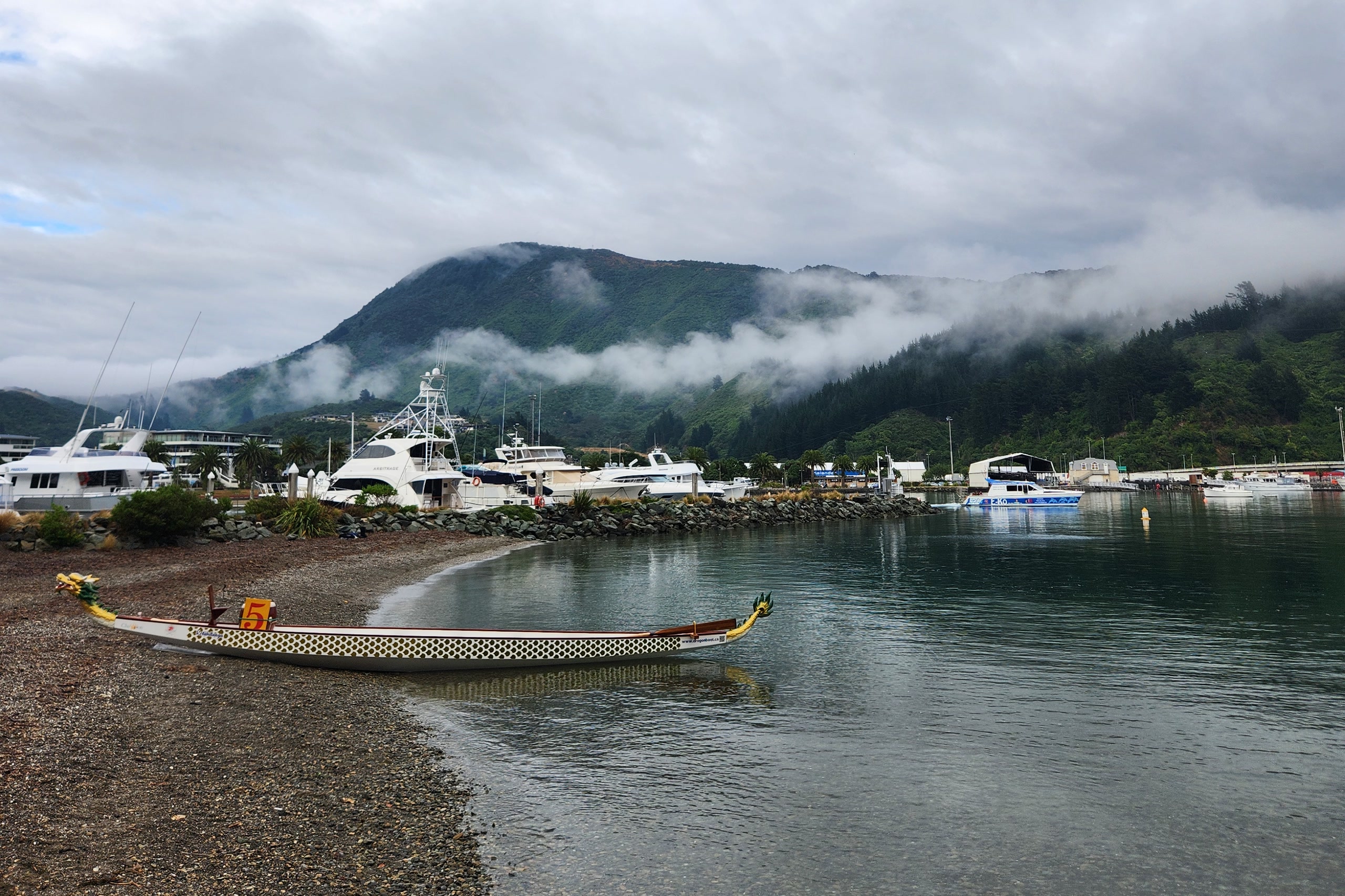
A dragon boat on the shore at Picton during the 2025 domestic regatta. Photo: Pōneke Watersports.
Meetings that finish on time—and evenings back
With everyday decisions handled between meetings, the monthly committee meeting looks completely different. Instead of debating merchandise or fees, the committee focuses on club goals and what needs to happen before the festival starts.
Our meetings have gone from 2 hours without decisions, and everyone just wanting to log off and go to bed, to being much more productive. They pretty much finish on time, if not early.
For a volunteer committee, that time is not a small perk. “We all work full-time, so we’re all just volunteering outside of work,” Jo says. “So any time that we can save in that space is life-changing and amazing.”
Jo’s advice for committees thinking about trying it
Pōneke Watersports wasn’t shopping for governance software—and Jo expects most volunteer committees feel the same way. “You won’t appreciate how much you needed the software until you get the software,” she says, “because you’ll be so used to doing what you’re doing that you won’t think that you need to change.”
Here is what made the switch stick for her committee:
- Start with something low-stakes. “Use it to set your monthly meetings, figure out what days and times work for everybody. Use it to just have some fun decisions, just so that everyone gets used to using it. Not everything has to be super serious straight away.”
- Make Loomio the home for anything you’ll need later. The committee’s rule is simple: decisions, drafts, and attachments go into Loomio, and email alerts let everyone know when something needs their input.
- Keep chat for chat. Messenger is still there for quick check-ins—or, as Jo puts it, “if we’re just wanting to have a gossip.”
- Vote from your phone, upload from your desk. Jo uses Loomio in her phone’s browser for quick comments, polls, and votes, and switches to desktop when she needs to attach documents.
Next, Jo is looking at bringing the club’s coaching group onto Loomio—so safety-boat rosters, sweeping, and winter session plans stop sprawling across multiple Messenger chats.
Update: Shortly after we spoke with Jo, Pōneke Watersports’ 40+ Standard Mixed crew competed at the 2026 Pan Pacific Masters Games on the Gold Coast. They broke their club record twice in the 200m event and took on New Zealand and Australian representative crews in the Grand Final to bring home bronze. Congratulations to Jo and the Pōneke Watersports team on the bronze medal!
If there is a decision sitting on your next agenda that has already been there twice, try Loomio free with your committee or see how other member organisations use Loomio.
Tags: Boards Community Case studies